
I’ve spent over ten years working in House Cleaning, and I can say with confidence that most people underestimate how much judgment, timing, and restraint this work actually requires. I’m not talking about surface-level tidying or quick resets before guests arrive—those who want to learn more about professional cleaning understand it goes far deeper. I mean the kind of cleaning where you’re trusted inside someone’s home, navigating their habits, their wear-and-tear, and the quiet signs of how they live. Early in my career, I thought effort alone mattered. It didn’t take long to learn that knowing what not to do is just as important.
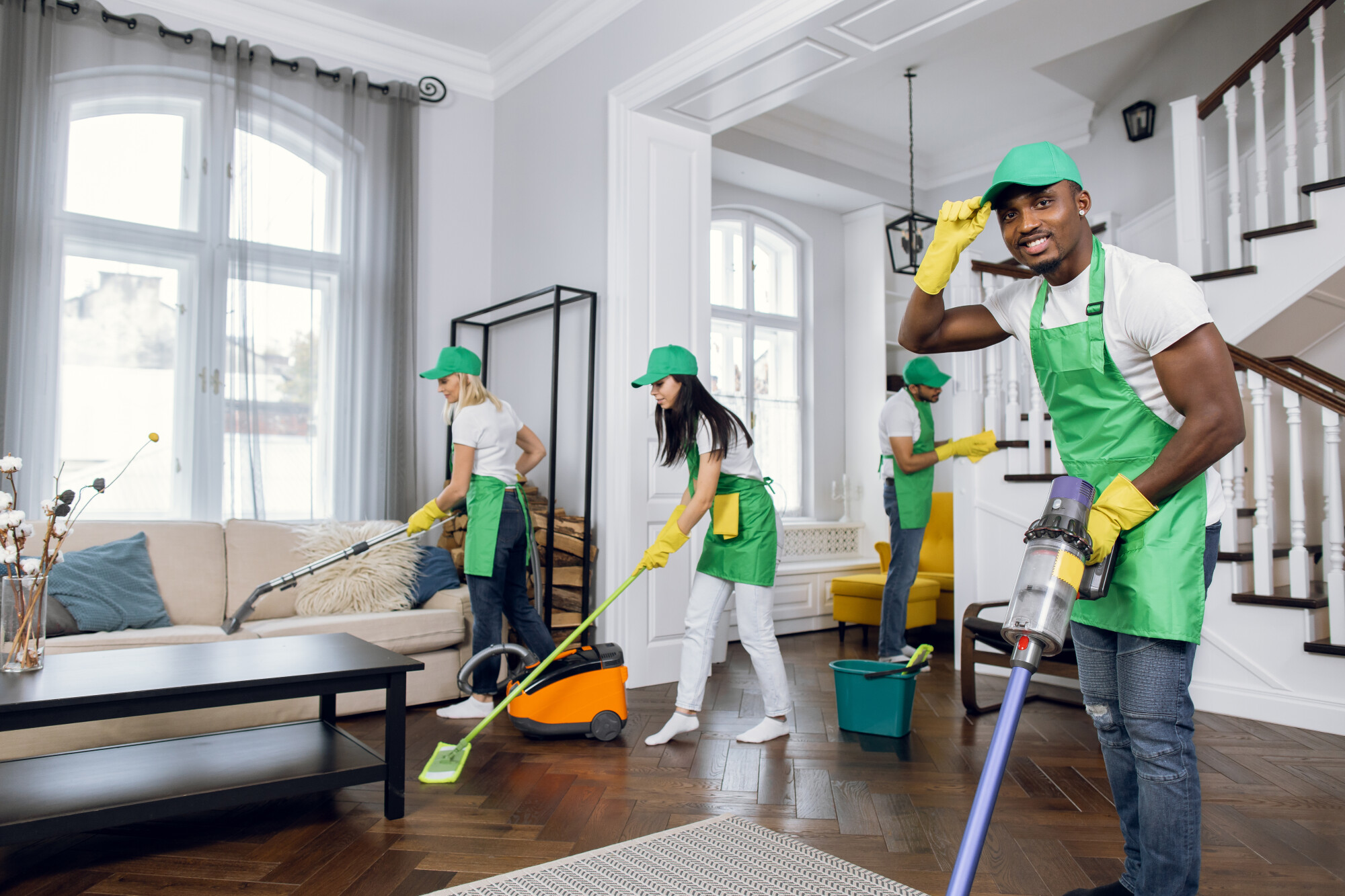 I started in the industry the same way many do—long days, back-to-back homes, and a checklist mentality. One of my first recurring clients had a beautifully kept kitchen that somehow never felt clean. After a few visits, I realized the issue wasn’t missed crumbs or fingerprints. It was residue from the wrong products layered over time. Someone before me had been using heavy degreasers on sealed stone counters. The surface looked shiny but felt tacky. Stripping that buildup without damaging the stone took patience and restraint, not stronger chemicals. That was my first real lesson that more product often creates more problems.
Experience also teaches you to read a home quickly. I can usually tell within the first five minutes whether a space needs deep attention or careful maintenance. A client last spring asked why her floors always looked dull two days after cleaning. When I checked closely, the mop water she’d been using left a thin film that trapped dust. We adjusted the approach, less soap, more rinsing, and suddenly the problem disappeared. These are small details, but they make a visible difference.
One mistake I see homeowners make repeatedly is focusing on speed instead of sequencing. People scrub sinks before clearing the surrounding clutter, or vacuum before wiping surfaces. That leads to redoing work, which is exhausting and discouraging. In professional settings, order matters. I always start high and dry, shelves, fixtures, corners, then move downward. Wet work comes later. It’s not about rigid rules; it’s about avoiding wasted effort. I’ve walked into homes where someone spent hours cleaning, only to undo half of it without realizing why.
There’s also a misconception that professional cleaners rely on harsh chemicals. In reality, most of my long-term clients prefer gentler methods once they understand the trade-offs. Strong cleaners can shorten the life of finishes, especially on wood floors, bathroom fixtures, and appliances. I’ve seen shower doors etched beyond repair because someone thought stronger meant cleaner. Knowing when to stop scrubbing is a skill learned the hard way.
One memorable job involved a family with young kids and pets. The home looked chaotic at first glance, toys everywhere, paw prints on the floors, fingerprints at eye level. But once we settled into a rhythm, it became clear the house didn’t need perfection. It needed consistency. We focused on areas that affected daily comfort rather than chasing every mark. Over time, the space became easier to maintain, not because it was spotless, but because the right areas were being cared for regularly.
Another thing experience gives you is honesty. I will tell a client when a surface is permanently worn, not dirty. Some stains don’t lift because they’ve become part of the material. Promising miracles creates disappointment. Setting realistic expectations builds trust. I’ve had people thank me simply for explaining why something wouldn’t come out, rather than pretending it was fixable.
House cleaning is also physical problem-solving. Every home presents its own challenges: awkward layouts, fragile finishes, neglected corners. You learn to adapt without rushing. I’ve turned down jobs where clients expected results that would require damaging their home. That decision comes from experience and respect for the work, not from convenience.
After a decade, I don’t see cleaning as a task to finish, but as a balance to maintain. A clean home should feel lighter, not stressed. It should support how people live, not force them into routines that don’t fit. The best cleaning work is almost invisible. You notice it not because everything shines, but because the space feels easier to exist in.
That understanding only comes from time spent inside real homes, solving real problems, and learning that good cleaning isn’t about perfection. It’s about knowing where effort matters, where restraint matters more, and how small, thoughtful decisions add up quietly over time.