Working as a corporate event director for more than a decade, I’ve learned that corporate entertainment isn’t just a perk or a nice-to-have; it’s often the lever that determines whether employees walk away proud of their company or quietly exhausted by another forgettable function. My earliest lesson came during a product launch where the executives wanted something “low-key.” They hired a basic speaker setup and a playlist someone assembled the night before. By halfway through the evening, guests were disengaged, drifting toward the exits in small groups. That night taught me to never treat entertainment as filler. It drives energy, shapes perception, and, in some cases, salvages a shaky agenda.
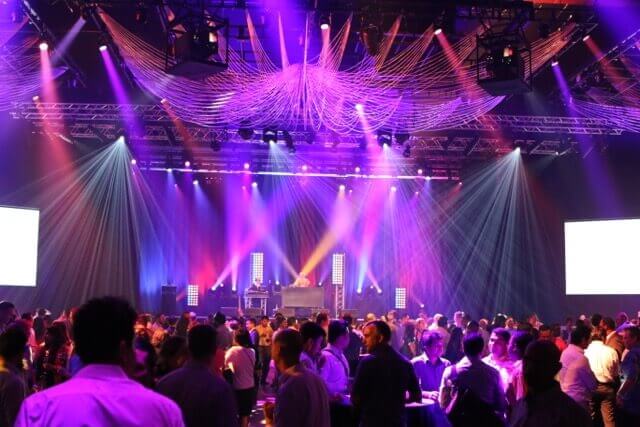 One of the first major wins I experienced happened during a midyear gala for a tech firm. They had struggled with low morale, and leadership hoped a refreshed annual event might help reconnect the teams. I suggested bringing in a live percussion-DJ hybrid act for transitions instead of relying solely on speeches and awards. They trusted me, though a few managers were skeptical. The shift was immediate. People who normally hovered near the bar or slipped out early stayed engaged, and I watched colleagues who barely interacted during work hours laughing together on the dance floor. That was the moment I started advocating for entertainment that actively supports company culture, instead of entertainment that merely fills gaps in the schedule.
I’ve also had experiences where entertainment rescued an event that could have easily fallen apart. At a conference reception last spring, a keynote speaker’s flight was delayed, leaving me with nearly an hour to fill in front of a restless crowd. Fortunately, we had booked an experienced MC with strong improvisational skills. He guided a quick, light networking activity while our jazz trio shifted to a more upbeat set. The attendees not only stayed; they leaned in. Several told me later that the unplanned portion was their favourite part of the day. Those are the professionals I return to repeatedly—the ones who understand that corporate events can be unpredictable and aren’t thrown by surprises.
Corporate audiences carry their own challenges. They are often tired, over-scheduled, or halfway checked out by the time entertainment begins. I’ve found that performers who assume this and intentionally build their sets to warm people up slowly are the ones who succeed. On the other hand, I’ve watched well-meaning entertainers lose a room by starting too loud or too aggressively. One magician I trialed years ago opened with a routine that required volunteers before anyone had even finished their appetisers. The guests stiffened, and the rest of his set felt like a salvage operation. Since that night, I’ve been very selective about any act that demands immediate participation without first reading the crowd.
Another factor people underestimate is the practicality behind the scenes. Corporate venues aren’t always entertainment-friendly. I’ve had to work around tight stage footprints, strict noise limits, overloaded circuits, and AV teams who were juggling six things at once. Once, during a financial firm’s awards night, the lighting system glitched right before the main presentation. The band leader dimmed their own uplighting and shifted to an acoustic set without missing a beat, buying the technicians enough time to fix the problem. Their professionalism kept the room calm, and the executives later remarked on how “smooth” the night felt. That smoothness was no accident.
What I’ve come to appreciate is that the best corporate entertainment blends confidence with restraint. It supports the purpose of the event rather than overpowering it. It allows employees to relax without losing sight of why they’re gathered. And it respects the fact that corporate audiences are diverse—introverts, extroverts, team leads, interns—each needing something slightly different to feel included.
Years in this field have taught me that corporate entertainment succeeds not because it’s flashy, but because it’s intentional, thoughtful, and aligned with the company’s goals. I’ve watched entire rooms lift when the entertainment fits the moment and the culture. I’ve also watched them flatten when it doesn’t. The difference, more often than not, is in the details only experience teaches you to look for.